


Currently Online: 29
Starting a food processing business in Singapore offers a great opportunity due to the country’s strategic location, robust economy, and supportive government policies. This guide will help you understand the key steps involved in setting up your business, from market research to obtaining necessary licences and permits.
Key Takeaways
- Singapore’s strategic location and strong economy make it an ideal place for a food processing business.
- Conducting thorough market research helps identify your target audience and understand consumer preferences.
- A comprehensive business plan is essential for guiding your operations and securing investments.
- Registering your business with the Accounting and Corporate Regulatory Authority (ACRA) is a crucial step.
- Obtaining the necessary licences and permits ensures compliance with local regulations and food safety standards.
Understanding the Food Processing Industry in Singapore

Overview of the Industry
The food processing industry in Singapore is a dynamic and essential part of the economy. With a growing demand for convenient and high-quality food products, this sector offers numerous opportunities for entrepreneurs. Singapore’s strategic location makes it an ideal hub for both local and international markets. The industry encompasses a wide range of activities, from small-scale artisanal production to large-scale industrial manufacturing.
Key Players and Competitors
In Singapore, the food processing industry is highly competitive, with several key players dominating the market. These include both local companies and international giants. Understanding who your competitors are and what they offer can help you carve out your niche. Some of the major players include:
- SATS Food Services
- Singapore Food Industries
- Nestlé Singapore
Market Trends and Opportunities
The market for processed food in Singapore is constantly evolving. Staying updated with the latest trends can give you a competitive edge. Some current trends include a growing demand for healthy and organic food options, as well as an increasing interest in sustainable and eco-friendly products. Additionally, the government’s support for food innovation and sustainability initiatives presents numerous opportunities for new businesses. Utilising company secretary services can help you navigate the regulatory landscape and focus on these emerging opportunities.
Conducting Market Research for Your Food Processing Business

Starting a food processing business in Singapore requires thorough market research. This step is crucial to understand the landscape and position your business effectively. Here’s a guide to start a business by conducting market research in three key areas: identifying your target audience, analysing consumer preferences, and assessing competitors. Let’s dive in!
Identifying Target Audience
First, you need to pinpoint who your customers are. Are they health-conscious individuals, busy professionals, or families looking for convenience? Knowing your target audience helps tailor your products to meet their needs. Consider factors like age, lifestyle, and purchasing behaviour. Surveys and focus groups can provide valuable insights.
Analysing Consumer Preferences
Next, delve into what your potential customers prefer. Do they favour organic ingredients, or are they looking for budget-friendly options? Understanding consumer preferences allows you to develop products that resonate with your audience. Keep an eye on market trends and seasonal demands to stay relevant.
Assessing Competitors
Finally, take a close look at your competitors. Who are the key players in the market, and what are they doing right? Identify their strengths and weaknesses to find opportunities for your business. This analysis will help you position your products uniquely and effectively. Consider creating a SWOT analysis (Strengths, Weaknesses, Opportunities, Threats) to map out your competitive landscape.
Developing a Comprehensive Business Plan

Defining Your Business Model
Creating a solid business model is the first step in setting up your food processing business. Identify your unique value proposition and how you plan to deliver it to your customers. Consider different revenue streams and choose the one that aligns best with your goals.
Outlining Product Offerings
Decide on the range of products you will offer. Will you focus on a niche market or provide a variety of food items? Make sure your product line meets the needs and preferences of your target audience.
Creating Marketing Strategies
Develop effective marketing strategies to promote your products. Utilise online platforms and social media to reach a wider audience. Participating in local events can also help you gain visibility and attract customers.
Financial Projections
Prepare detailed financial projections to understand the costs involved in setting up and running your business. This includes estimating initial setup costs, ongoing operational expenses, and potential revenue. Accurate financial planning is crucial for securing investments and loans.
For assistance with the registration process, consider using Singapore incorporation services to ensure everything is set up correctly from the start.
Registering Your Food Processing Business

Choosing a Business Structure
The first step in registering your food processing business in Singapore is to choose the right business structure. You can opt for a sole proprietorship, partnership, or a private limited company. A private limited company is often recommended due to its limited liability and ease of raising capital.
Steps to Register with ACRA
Once you’ve decided on the business structure, you need to register your business with the Accounting and Corporate Regulatory Authority (ACRA). Here are the steps:
- Choose a unique business name and get it approved by ACRA.
- Prepare the necessary documents, including the company’s constitution, details of shareholders, and directors.
- Submit the application online through ACRA’s BizFile+ portal.
- Pay the registration fee.
Utilising Incorporation Services
If the registration process seems daunting, you can utilise incorporation services. These services can help you navigate the complexities of registration, ensuring that all documents are correctly filed and that you comply with all regulations. This can be especially helpful if you plan to hire foreign professionals and need to secure a Singapore employment pass for them.
Obtaining Necessary Licences and Permits

Understanding Regulatory Requirements
Starting a food processing business in Singapore requires navigating a maze of regulatory requirements. It’s crucial to understand these regulations to ensure your business operates smoothly. The primary licence you’ll need is the Food Shop Licence from the Singapore Food Agency (SFA). This licence ensures that your premises meet hygiene and food safety standards. Other licences may include the Halal Certification from MUIS if you plan to offer Halal food, and a Liquor Licence from the Singapore Police Force if you intend to sell alcoholic beverages.
Applying for Food Hygiene Certifications
Food hygiene is a top priority in Singapore. All food handlers must complete the Food Safety Course Level 1, previously known as the Basic Food Hygiene Course. This certification ensures that your staff are trained in proper food handling and hygiene practises. You can apply for this certification through the GoBusiness Licencing portal.
Ensuring Compliance with Safety Standards
Compliance with safety standards is non-negotiable. You’ll need to adhere to various safety regulations, including fire safety and proper storage of hazardous materials like LPG. Some of the documents you may need include:
- Approved Plans for LPG Installation
- Fire Safety Certificate
- Professional Engineer’s Certification for the Piped LPG system
- Letter of Undertaking on Safe Handling of LPG installation
- LPG Check List
- Acknowledgement letter for Emergency Response Plan
- Approval Letter from URA and Land Transport Authority (LTA) for the proposed storage area of the LPG manifold system
- Letter of Undertaking from LPG Supplier/Dealer
- Letter of authorisation from Owner/Operator (for Filer)
By ensuring you have all the necessary licences and permits, you can focus on growing your business without legal hiccups. For more detailed steps, you can refer to the guide to Singapore company registration.
Setting Up Your Production Facility
Selecting a Suitable Location
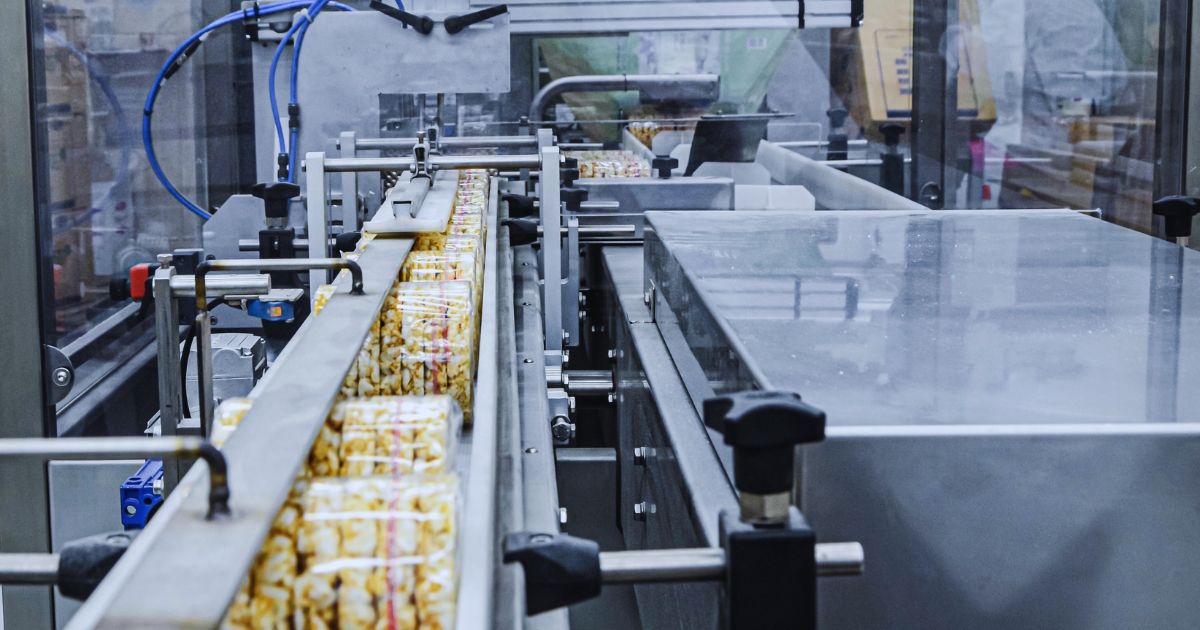
Choosing the right location for your production facility is crucial. Consider factors like proximity to suppliers and markets, accessibility for employees, and compliance with zoning laws. Industrial parks and areas designated for food manufacturing by the government may offer infrastructural advantages and incentives.
Investing in Quality Equipment
Investing in the right equipment is essential for achieving the desired product quality and production capacity. Ensure your equipment meets food safety standards and allows for scalability as your business grows. Consider manpower-saving options to address potential labour limitations.
Meeting Health and Safety Regulations
Compliance with health and safety regulations is non-negotiable. The Singapore Food Agency (SFA) has specific requirements for food processing establishments. These include proper facility design to prevent contamination, pest control measures, and ensuring that building materials do not contaminate food. Regular inspections and adherence to hygiene practises are vital to maintaining high standards.
Remember, setting up a production facility is a significant step that requires careful planning and investment. By focusing on location, equipment, and regulatory compliance, you can create a foundation for a successful food processing business. Don’t forget to consider payroll services to manage your workforce efficiently.
Sourcing Quality Ingredients

Finding Reliable Suppliers
To ensure the success of your food processing business, it’s crucial to find reliable suppliers. Look for suppliers who have a good track record and can provide consistent quality. Building a network of trustworthy suppliers can help you avoid disruptions in your production process. You might also consider using business advisory services to identify and vet potential suppliers.
Building Strong Supplier Relationships
Once you’ve identified reliable suppliers, the next step is to build strong relationships with them. This involves regular communication, timely payments, and mutual respect. Strong relationships can lead to better terms, priority service, and even insights into market trends. Consider setting up regular meetings or check-ins to maintain a good rapport.
Ensuring Consistent Quality
Quality is paramount in the food processing industry. To ensure consistent quality, establish strict quality control measures. This includes regular inspections of raw materials, adherence to food safety standards, and continuous monitoring of the production process. Implementing a robust quality assurance system can help you maintain high standards and meet regulatory requirements.
Marketing Your Food Products

Creating a Brand Identity
Building a strong brand identity is essential for your food processing business. Your brand should reflect your values, mission, and the unique qualities of your products. A memorable brand can set you apart from competitors and foster customer loyalty. Consider elements like your logo, packaging design, and brand story to create a cohesive and appealing image.
Utilising Online Platforms and Social Media
In today’s digital age, leveraging online platforms and social media is crucial for reaching a wider audience. Create engaging content that showcases your products, shares behind-the-scenes looks at your production process, and highlights customer testimonials. Consistency in posting and interacting with your audience can build a strong online presence. Don’t forget to use targeted ads to reach specific demographics.
Participating in Local Events
Participating in local events, such as food festivals and farmers’ markets, can help you connect with your community and gain direct feedback from customers. These events provide an excellent opportunity to showcase your products, offer samples, and build relationships with potential customers. Additionally, they can help you understand local market dynamics and consumer preferences.
By focusing on these strategies, you can effectively market your food products and grow your business. Remember, integrating tools like human resource management software can streamline your operations and allow you to focus more on your marketing efforts.
Navigating Challenges and Considerations

Regulatory Compliance
Starting a food processing business in Singapore means you need to follow many rules and regulations. It’s crucial to stay updated with the latest requirements to avoid any legal issues. Regular inspections and maintaining high hygiene standards are part of the deal. Make sure your business registered address is compliant with all local laws.
Supply Chain Management
Managing your supply chain effectively is key to running a successful food processing business. This involves finding reliable suppliers, ensuring timely delivery of ingredients, and maintaining quality. A well-managed supply chain can help you avoid delays and keep your production line running smoothly.
Understanding Local Market Dynamics
To succeed, you need to understand the local market. This means knowing what your customers want and keeping an eye on your competitors. Market research can help you identify trends and opportunities, allowing you to adapt and stay ahead in the industry.
Financial Planning and Management

Estimating Initial Setup Costs
Starting a food processing business in Singapore requires careful financial planning. Estimating your initial setup costs is crucial. These costs include expenses for equipment, facility rental, licencing, and initial raw materials. Make a detailed list to avoid unexpected expenses.
Managing Operational Expenses
Once your business is up and running, managing operational expenses becomes vital. Use AI accounting software to track daily expenses, payroll, and utility bills. This software can help you identify areas where you can cut costs and improve efficiency.
Revenue Projections and Financial Records
Creating accurate revenue projections is essential for long-term success. Use historical data and market trends to forecast your sales. Keep detailed financial records to monitor your progress and make informed decisions. Regularly review these records to ensure your business stays on track.
Leveraging Government Support and Incentives

Exploring Available Grants and Subsidies
Starting a food processing business in Singapore can be more manageable with the right government support. The Singapore government offers various grants and subsidies to help businesses thrive. One key grant is the Productivity Solutions Grant (PSG), which supports companies in adopting IT solutions and equipment to enhance business processes. Additionally, the Market Readiness Assistance (MRA) Grant helps businesses expand overseas by covering costs related to market entry.
Participating in Food Innovation Programmes
Innovation is crucial in the food processing industry. Singapore’s government encourages this through various food innovation programmes. These programmes provide funding and resources for research and development, helping businesses create new and improved food products. Participating in these programmes can give your business a competitive edge and open up new market opportunities.
Understanding Tax Benefits
Singapore offers several tax incentives to support businesses. The Pioneer Certificate Incentive and the Development and Expansion Incentive provide tax exemptions or reduced tax rates for companies that engage in high-value activities or expand their operations. Additionally, the foreign company setup option allows foreign businesses to benefit from Singapore’s favourable tax regime when they establish a presence in the country.
By leveraging these government supports and incentives, you can significantly reduce your operational costs and enhance your business’s growth potential.
Governments often provide various forms of support and incentives to help businesses grow. These can include tax breaks, grants, and other financial assistance. By taking advantage of these opportunities, you can significantly reduce your costs and increase your chances of success. To learn more about how you can benefit from government support, visit our website today.
Conclusion
Starting a food processing business in Singapore is a promising venture filled with opportunities. With its strategic location, supportive government policies, and a growing demand for processed foods, Singapore offers a fertile ground for your business to thrive. By following the essential steps, from market research to obtaining necessary licences, and focusing on quality and innovation, you can build a successful enterprise. Remember, the journey may have its challenges, but with determination and the right guidance, you can turn your vision into reality. Ready to embark on this exciting journey? Start planning today and make your mark in Singapore’s vibrant food industry!
Frequently Asked Questions
What is the first step to start a food processing business in Singapore?
The first step is to conduct market research. This involves understanding the local and regional market, identifying your target audience, and assessing competitors.
Why is a business plan important for a food processing business?
A business plan outlines your business model, product offerings, marketing strategies, and financial projections. It guides your operations and helps secure investments.
How do I register my food processing business in Singapore?
You need to choose a business structure and register with the Accounting and Corporate Regulatory Authority (ACRA). You can also use incorporation services for assistance.
What licences and permits are required for a food processing business?
You will need licences and permits from the Singapore Food Agency (SFA). This includes food hygiene certifications and compliance with safety standards.
What should I consider when setting up my production facility?
You should select a suitable location, invest in quality equipment, and ensure that the facility meets health and safety regulations.
How can I ensure the quality of ingredients for my food processing business?
Find reliable suppliers, build strong relationships with them, and ensure consistent quality of ingredients for your production process.
What are effective ways to market my food products?
Create a brand identity, utilise online platforms and social media, and participate in local events to reach your target audience.
What challenges might I face when starting a food processing business in Singapore?
Challenges include navigating regulatory compliance, managing supply chain logistics, and understanding local market dynamics.