


Currently Online: 34
Starting a coffee business in Singapore is a thrilling venture. The city is known for its vibrant coffee culture and diverse population of coffee lovers. However, setting up a successful coffee shop requires careful planning, market research, and a solid understanding of both the business and the local culture. This article will guide you through the essential steps to establish your coffee business in Singapore, from understanding the local coffee scene to managing finances effectively.
Key Takeaways
- Understanding the local coffee culture is crucial for your business’s success.
- Conduct thorough market research to identify your target audience and competitors.
- A solid business plan with clear goals and financial projections is essential.
- Choosing the right location can significantly impact your coffee shop’s visibility and profitability.
- Effective marketing and excellent customer service are key to building a loyal customer base.
Understanding the Coffee Culture in Singapore

The Evolution of Coffee Consumption
Singapore’s coffee culture has come a long way from its humble beginnings. Traditional kopitiams, serving local brews like kopi and kopi-o, have evolved into modern cafes offering a wide range of coffee experiences. This transformation reflects the city’s dynamic and cosmopolitan nature, where diverse cultural influences shape coffee preferences. Singaporeans now seek high-quality beans and expertly brewed cups, making the city a hotspot for specialty coffee.
Popular Coffee Trends
In recent years, several coffee trends have gained popularity in Singapore. From artisanal brews to cold brews and nitro coffee, the options are endless. Specialty coffee shops are also focusing on ethically sourced beans and unique flavour profiles. This trend is driven by a growing number of coffee enthusiasts who are willing to pay a premium for a well-crafted coffee experience.
The Role of Coffee Shops in Social Life
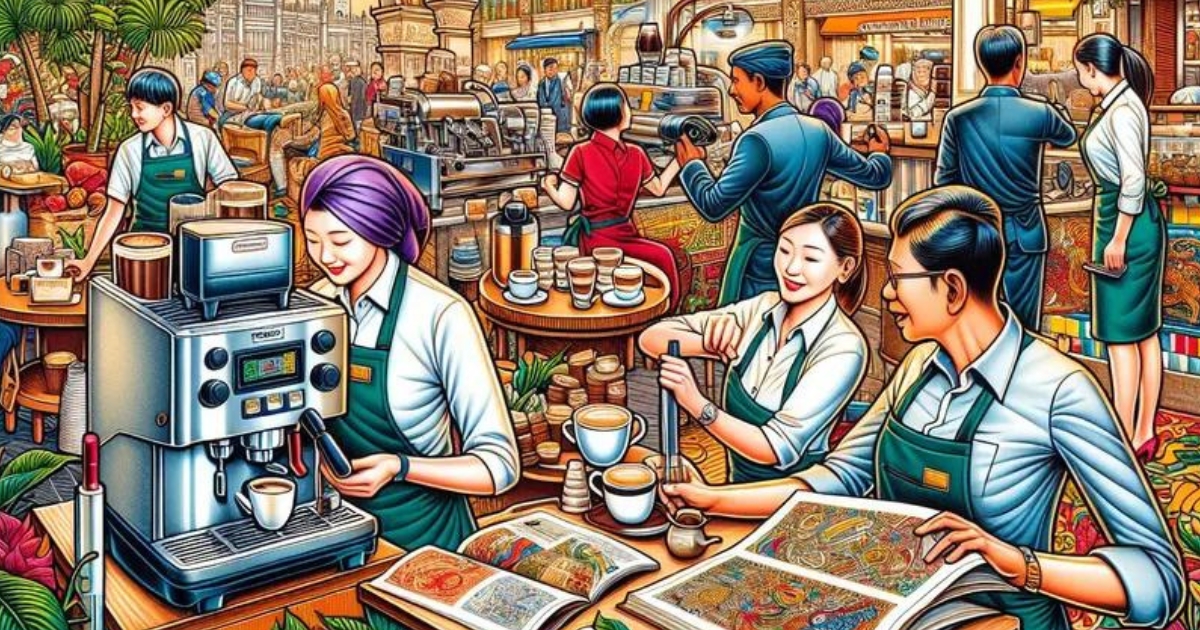
Coffee shops in Singapore are more than just places to grab a quick caffeine fix. They serve as social hubs where people gather to work, relax, or catch up with friends. Many cafes offer a variety of food options, creating a complete dining experience. The welcoming ambiance and unique design elements make these spaces ideal for socialising. By understanding and embracing this culture, aspiring coffee shop owners can create a loyal customer base and a thriving business.
Navigating the coffee culture in Singapore involves more than just serving great coffee. It requires a deep understanding of local preferences and trends. With the right approach, you can tap into this vibrant market and offer unique experiences that cater to different tastes and preferences. Don’t forget to consider company secretary services to help you navigate the legal and administrative aspects of setting up your business.
Conducting Market Research

Identifying Your Target Audience
Understanding who your customers are is crucial. Identify the demographics that are most likely to visit your coffee shop. Are they young professionals, students, or families? Knowing this will help you tailor your offerings and marketing strategies.
Analysing Competitor Offerings
Take a close look at what other coffee shops in Singapore are doing. What are their strengths and weaknesses? Visit their locations, try their products, and observe their customer service. This will give you insights into what works and what doesn’t.
Spotting Emerging Trends
Stay updated on the latest coffee trends. Are there new brewing methods or popular flavours that are gaining traction? Keeping an eye on these trends can help you stay ahead of the competition. Additionally, consider reading the Guide to Singapore company registration to understand the legal landscape better.
Crafting a Solid Business Plan

Setting Clear Business Goals
Before you start your coffee business, it’s essential to set clear and achievable goals. These goals will guide your decisions and help you stay focused. Think about what you want to achieve in the short term and long term. For example, you might aim to open a second location within two years or become the go-to spot for coffee lovers in your neighbourhood.
Financial Projections and Budgeting
Creating a detailed financial plan is crucial. Estimate your startup costs, including rent, equipment, and initial stock. Then, project your monthly expenses and expected revenue. This will help you understand how much money you need to start and keep your business running. Don’t forget to budget for unexpected costs like repairs or slow business periods.
Marketing and Sales Strategies
Your marketing plan should outline how you will attract and retain customers. Consider using social media, local advertising, and special promotions to get the word out. Collaborating with local influencers or hosting events can also boost your visibility. Additionally, think about your sales strategies, such as loyalty programmes or special discounts, to encourage repeat business.
Using tools like human resource management software can streamline your operations and help you manage your team more effectively. This software can handle scheduling, payroll, and even training, allowing you to focus on growing your business.
Choosing the Perfect Location

High Foot Traffic Areas
Selecting the right location is crucial for your coffee business. Look for areas with high foot traffic, such as commercial districts, shopping malls, or near office buildings. These spots can attract more customers and boost your sales. High visibility and customer flow can significantly impact your revenue. However, keep in mind that rents in these prime locations may be higher.
Evaluating Rental Costs
When choosing a location, it’s important to evaluate the rental costs. The rent in high-traffic areas can range from $5 to $9 per square foot, which translates to a monthly rent of $5,000 to $10,000. Additionally, you may need to sign a lease for a minimum period of 6 months and put down a deposit of around 2 months’ worth of rent. This initial investment is essential to secure a good spot for your coffee shop.
Balancing Visibility and Accessibility
While a prime location with high visibility is important, you also need to consider accessibility. Ensure that your coffee shop is easily accessible to your target audience. This means considering factors like parking availability, public transport options, and the overall convenience for your customers. Striking the right balance between visibility and accessibility can help you attract and retain more customers.
For more detailed guidance, consider seeking business advisory services to help you make informed decisions about your coffee shop’s location.
Navigating Legal Requirements

Starting a coffee business in Singapore involves navigating several legal requirements. Here’s a breakdown of what you need to know:
Registering Your Business
First things first, you need to register your business. This is a crucial step to make your coffee shop official. You can use Singapore incorporation services to help with this process. They will guide you through the necessary paperwork and ensure everything is in order.
Obtaining Necessary Licences
Next, you’ll need to obtain the required licences. These may include a food shop licence, a fire safety certificate, and a liquor licence if you plan to serve alcohol. Make sure to check the specific requirements for your type of business.
Compliance with Health and Safety Standards
Finally, you must comply with health and safety standards. This includes regular inspections and adhering to hygiene regulations. Keeping your shop clean and safe is not just about following the law; it’s also about ensuring your customers have a pleasant experience.
By following these steps, you’ll be well on your way to opening a successful coffee shop in Singapore.
Sourcing Quality Coffee Beans and Equipment

Finding Reputable Suppliers
To ensure your coffee shop stands out, sourcing high-quality coffee beans is essential. Look for reputable suppliers who can provide a consistent supply of fresh beans. Building a good relationship with your supplier can also lead to better deals and exclusive beans. Consider visiting coffee farms or attending trade shows to find the best suppliers.
Investing in Essential Equipment
Investing in the right equipment is crucial for making great coffee. Here are some key items you’ll need:
- Espresso machines: Mid-range machines cost around $3,500, while high-end ones can go up to $25,000.
- Coffee grinders: Burr grinders are preferred for their consistent grind quality, costing about $3,000.
- Brewing equipment: This includes items like drip coffee makers, French presses, and pour-over setups.
- Refrigeration units: Necessary for storing milk and other perishable items.
Ensuring Consistent Quality
Consistency is key in the coffee business. Regularly maintain and clean your equipment to ensure it performs optimally. Train your staff to follow standard procedures for brewing and serving coffee. Quality control checks should be part of your daily routine to maintain high standards. By focusing on these aspects, you can ensure that every cup of coffee meets your customers’ expectations.
Incorporating these steps into your guide to start a business will set a strong foundation for your coffee shop’s success.
Designing an Appealing Menu

Creating a Diverse Coffee Selection
When designing your coffee shop’s menu, it’s essential to offer a variety of coffee options to cater to different tastes. Include classic choices like espresso, cappuccino, and latte, as well as specialty drinks such as cold brew and nitro coffee. Offering seasonal specials can also attract repeat customers.
Incorporating Food Items
A well-rounded menu should include food items that complement your coffee. Think about offering pastries, sandwiches, and light snacks. This not only enhances the customer experience but also increases your average transaction value. Consider dietary preferences and include options like gluten-free or vegan treats.
Developing a Unique Selling Proposition
Your menu should reflect what makes your coffee shop unique. Whether it’s a signature drink, exceptional customer service, or a cosy atmosphere, your unique selling proposition (USP) sets you apart from competitors. Highlighting your USP in your menu can make a lasting impression on your customers.
Remember, a well-designed menu is not just about the items you offer but also how you present them. Use clear descriptions and appealing names to make your offerings irresistible. And don’t forget to consider the layout and design of your menu to ensure it’s easy to read and visually appealing.
Training Your Staff

Barista Training Programmes
Your baristas are the heart of your coffee shop. Investing in their training ensures they can craft the perfect cup every time. Look for reputable barista training programmes that cover everything from coffee bean selection to advanced brewing techniques. These programmes often include hands-on practise, which is essential for mastering the art of coffee making.
Customer Service Excellence
Great coffee is important, but excellent customer service can set your shop apart. Train your staff to be friendly, attentive, and responsive to customer needs. Role-playing different scenarios can be a fun and effective way to prepare your team for real-life interactions. Remember, a smile and a positive attitude go a long way in creating a welcoming atmosphere.
Ongoing Skill Development
The coffee industry is always evolving, with new trends and techniques emerging regularly. Encourage your staff to stay updated by attending workshops and courses. This not only improves their skills but also keeps them motivated and engaged. Consider offering incentives for completing additional training, such as bonuses or promotions.
By focusing on comprehensive training, you ensure that your team is well-prepared to deliver an exceptional experience to every customer. Whether you’re a local startup or exploring the Foreign Company Setup Option, well-trained staff are a cornerstone of your coffee business’s success.
Marketing and Promoting Your Coffee Shop

Building a Strong Brand Identity
Creating a strong brand identity is essential for your coffee shop’s success. Start by designing an attractive logo and signage that reflect your brand’s personality. Your brand should tell a story that resonates with your target audience. Make sure your business registered address is visible on all promotional materials to build trust and credibility.
Utilising Social Media and Digital Marketing
Social media platforms are powerful tools for promoting your coffee shop. Set up profiles on popular platforms like Instagram, Facebook, and Twitter. Post engaging content regularly, such as photos of your coffee, behind-the-scenes videos, and customer testimonials. Consistency is key to building a loyal online following. Consider running targeted ads to reach a broader audience.
Collaborating with Influencers and Hosting Events
Partnering with local influencers can give your coffee shop a significant boost. Offer free coffee or pastries in exchange for a feature on their social media pages. Hosting events, such as coffee tasting sessions or live music nights, can also attract new customers and create buzz around your shop. These activities not only promote your business but also foster a sense of community.
Enhancing Customer Experience

Creating a Welcoming Atmosphere
A warm and inviting atmosphere is key to making customers feel at home in your coffee shop. Consider comfortable seating, pleasant lighting, and a clean environment. First impressions matter, so ensure your shop is tidy and smells delightful. Soft background music can also enhance the overall vibe.
Personalising Customer Interactions
Personal touches can make a big difference. Train your staff to remember regular customers’ names and their favourite orders. Personalised service makes customers feel valued and encourages repeat visits. A friendly smile and a genuine conversation can go a long way.
Gathering and Implementing Feedback
Listening to your customers is crucial. Provide easy ways for them to share their thoughts, such as comment cards or online surveys. Use this feedback to make improvements. Showing that you care about their opinions can build loyalty and enhance their experience. Additionally, consider using AI accounting software to track customer preferences and spending habits, helping you tailor your offerings even more effectively.
Effective Financial Management

Tracking Expenses and Sales
Keeping a close eye on your expenses and sales is crucial. Use simple tools like spreadsheets or accounting software to record every transaction. This helps you understand where your money is going and how much you’re making. Regularly reviewing these records can help you spot trends and make better financial decisions.
Budgeting for Initial and Ongoing Costs
Starting a coffee shop in Singapore can be expensive. You might need around $100,000 just to get started. But that’s not all—you’ll need more money to keep your business running smoothly. Make a budget that includes both initial setup costs and ongoing expenses like rent, utilities, and salaries. Don’t forget to factor in the cost of a Singapore Employment Pass if you plan to hire foreign staff.
Setting Realistic Pricing Strategies
Your pricing strategy can make or break your business. Set prices that cover your costs but are also attractive to customers. Research what other coffee shops in your area are charging and find a balance. Offering promotions or loyalty programmes can also help attract and retain customers. Make sure your prices reflect the quality and uniqueness of your offerings.
Managing your finances well is key to running a successful business. It helps you make smart decisions, avoid debt, and grow your company. If you want to learn more about effective financial management, visit our website. We have lots of tips and resources to help you get started.
Conclusion
Starting a coffee business in Singapore is an exciting journey filled with opportunities and challenges. The city-state’s vibrant coffee culture and diverse population offer a fertile ground for your venture. By focusing on key elements such as market research, a solid business plan, and exceptional customer service, you can carve out a niche in this competitive market. Remember, the heart of your business lies in delivering a unique and high-quality coffee experience that resonates with your customers. With dedication, creativity, and a customer-centric approach, your coffee shop can become a beloved spot for coffee lovers in Singapore. So, take the plunge, embrace the adventure, and watch your coffee business thrive in this dynamic city.
Frequently Asked Questions
What are the key steps to start a coffee business in Singapore?
To start a coffee business in Singapore, you need to conduct market research, create a solid business plan, choose a good location, navigate legal requirements, source quality coffee beans and equipment, design an appealing menu, train your staff, and market your coffee shop effectively.
How important is location for a coffee shop in Singapore?
Location is very important for a coffee shop in Singapore. High foot traffic areas, such as commercial districts and shopping malls, can significantly impact your revenue. It’s essential to balance visibility, accessibility, and rental costs.
Do I need any special licences to open a coffee shop in Singapore?
Yes, you need to register your business with the Accounting and Corporate Regulatory Authority (ACRA) and obtain necessary licences, such as a food shop licence, fire safety certificate, and health and safety certifications.
What should I consider when designing my coffee shop menu?
When designing your menu, consider offering a diverse selection of coffee drinks and food items. Develop a unique selling proposition that sets your coffee shop apart, such as a signature drink or exceptional customer service.
How can I ensure consistent quality in my coffee shop?
To ensure consistent quality, source high-quality coffee beans from reputable suppliers and invest in essential equipment. Additionally, provide thorough training for your baristas and staff to maintain high standards.
What are some effective marketing strategies for a coffee shop in Singapore?
Effective marketing strategies include building a strong brand identity, utilising social media and digital marketing, and collaborating with influencers or hosting events to create buzz around your coffee shop.
Why is customer experience important for a coffee shop?
Customer experience is crucial as it helps build a loyal customer base. Creating a welcoming atmosphere, personalising interactions, and gathering feedback to improve offerings can enhance customer satisfaction.
What are some common financial management tips for a coffee shop?
Common financial management tips include tracking expenses and sales, budgeting for initial and ongoing costs, and setting realistic pricing strategies to ensure profitability.